Solutions
Systems, sized
around the load.
Equipment lists for homes, commercial sites and utility blocks. Ranges are indicative; the load study and single-line diagram decide the final configuration.
01 / Residential
Residential
5–20 kWh storage · 3–12 kW inverter
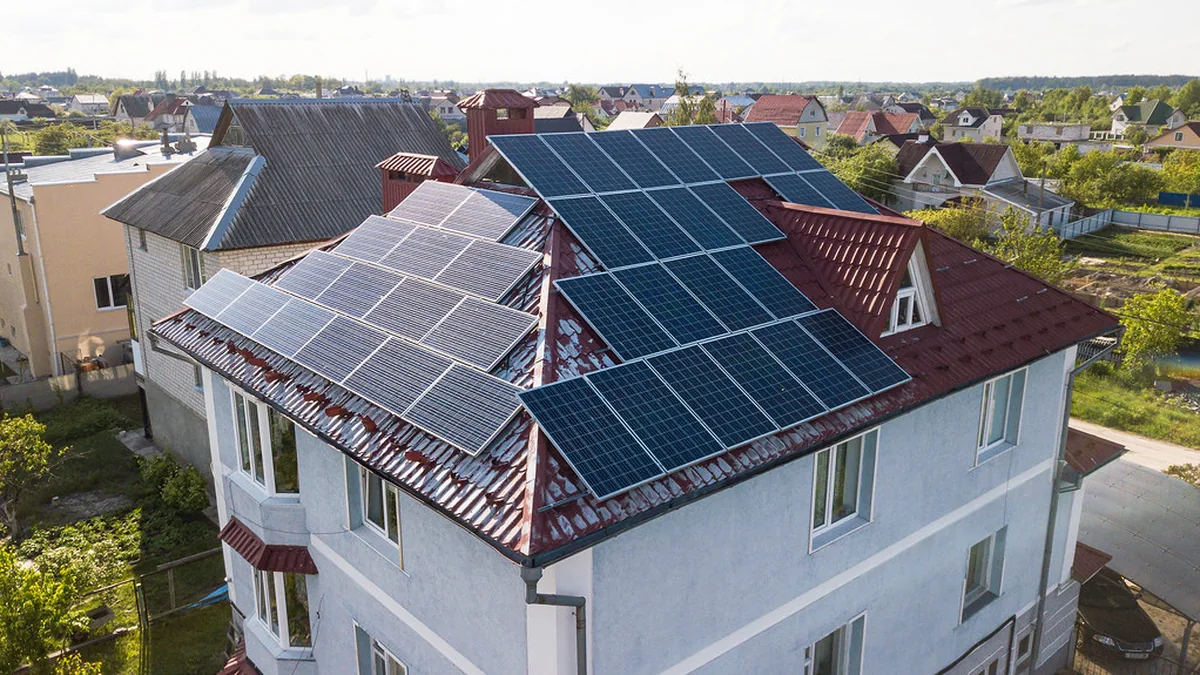
A residential system is usually decided by two loads: the evening and the outage. PV covers the daytime, a hybrid inverter manages the battery, and the battery carries the house through the evening peak or a grid failure.
We size the array against the roof area and the battery against the critical circuits, not against a headline number. The result is a short equipment list: modules, one hybrid inverter, one battery, and the mounting and metering your installer specifies.
- Roof or ground-mounted array
- Single-phase hybrid inverter
- 5–20 kWh LFP storage
- Essential-circuit backup
02 / Commercial & industrial
Commercial & industrial
100–500 kWh storage · 30–125 kW
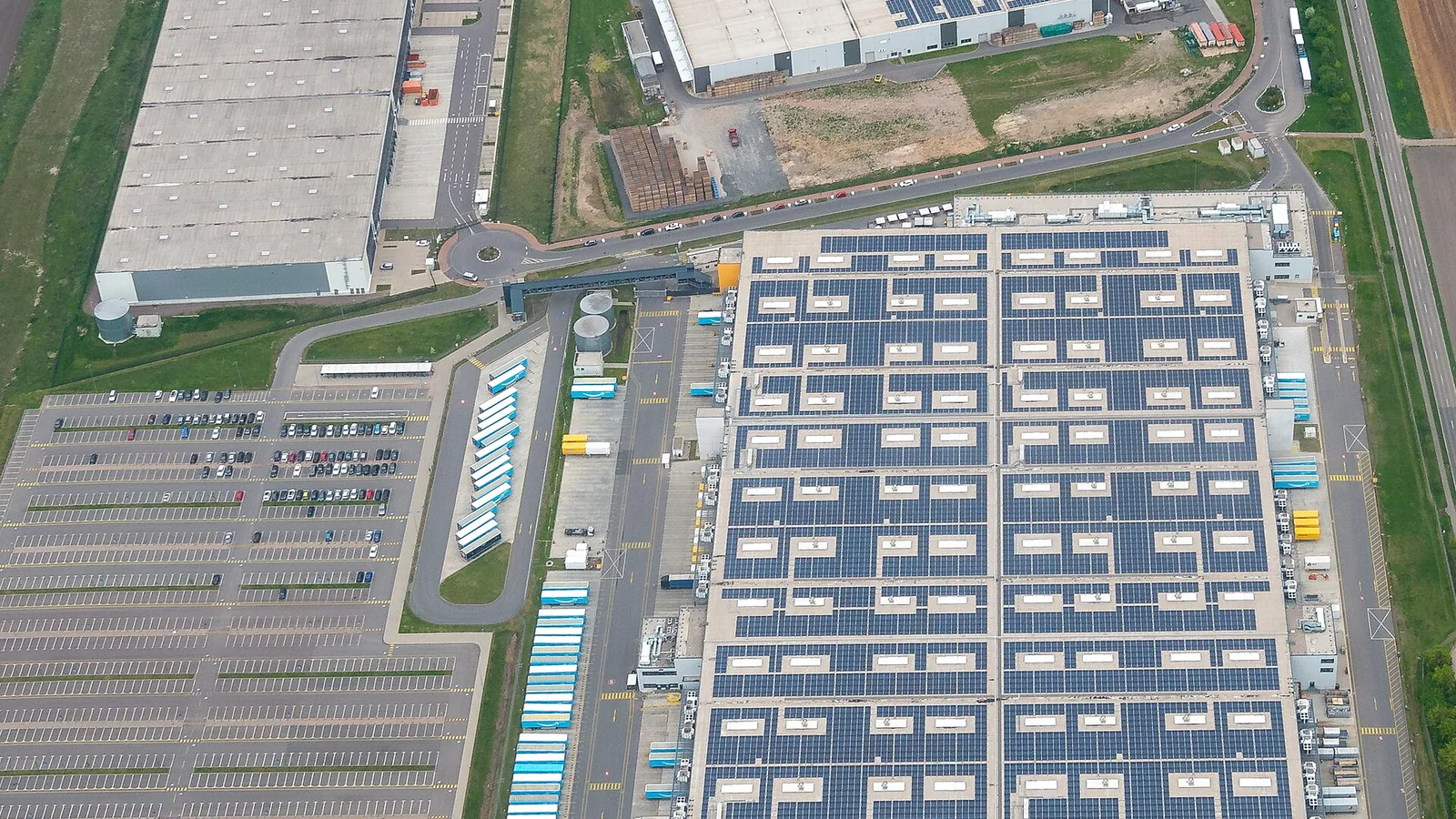
Commercial projects are driven by demand charges, roof logistics and the cost of a grid upgrade. A three-phase string inverter and a cabinet battery can shave the peak, firm up critical circuits and absorb excess PV instead of exporting it at a low tariff.
The equipment list is longer: string inverters, combiners, cabinet storage and the EMS that decides when the site imports, stores or discharges. We quote the equipment side and coordinate the datasheets with your electrical contractor.
- Three-phase string inverters
- Liquid-cooled cabinet storage
- Peak shaving and demand control
- Backup for critical circuits
03 / Utility-scale
Utility-scale
261 kWh cabinet blocks · 125 kW

Utility projects are a question of blocks: how many megawatts of PV, how many megawatt-hours of storage, and how the blocks fit inside the interconnection limit. We supply the modules, string inverters and liquid-cooled storage cabinets that make up those blocks.
For grid-side storage we work with factory-assembled 125 kW / 261 kWh cabinets, combined side by side as the project grows. Container-level integration, lifting and commissioning are handled by the project EPC.
- Utility modules and string inverters
- 125 kW / 261 kWh cabinet blocks
- Liquid-cooled LFP storage
- Blocks scale to the interconnection limit
Sizing worksheet
A first estimate, before the site visit.
Four inputs give an indicative PV, battery and inverter size. Use it to frame the conversation, not to replace a load study.
Indicative equipment size
How the estimate is calculated
PV kWp = daily kWh ÷ (peak sun hours × 0.80 system derate).
Battery kWh = daily kWh × days of autonomy ÷ 0.90 usable depth of discharge.
Inverter kW = peak load × 1.25 margin.
No allowance is made for shading, tariff structure, grid limits or equipment datasheets. The result is a starting point for a design review.
Estimate only. Final sizing follows the load profile, site survey and grid connection.
Practical questions
Before you ask.
Lead times, documents, payment and installation. If your question is not here, put it in the brief.
Can you mix brands in one order?
Yes, within each manufacturer's minimum order quantity. Mixed-container loading is quoted case by case, and the exact model is confirmed on the proforma invoice.
What documentation comes with an order?
Current datasheets, manufacturer test reports and certificates where applicable, a packing list, commercial invoice and the declarations required for your destination. Lithium packs ship with UN 38.3 test summaries.
Do you ship single units?
Single units can be quoted for evaluation. Freight, insurance and import duties are at cost and depend on the destination.
What are the payment terms?
Typically a deposit with the balance against the bill of lading. Terms are confirmed on the proforma invoice for each order.
How long is lead time?
Lead time is confirmed per line item on the quotation. It changes with stock, configuration and whether the order is a single model or a mixed container.
Can you support a non-standard configuration?
Send the load profile and single-line diagram. We will quote the closest standard model or a configured alternative, and flag any mismatch before you order.
Do you install the equipment?
We supply equipment and documentation. Installation is carried out by your local contractor; we can review the design and coordinate technical questions with the installer.
Bring the load profile.
A daily consumption figure, a grid connection and a deadline are enough to start.